When Drupal is treated like a simple CMS
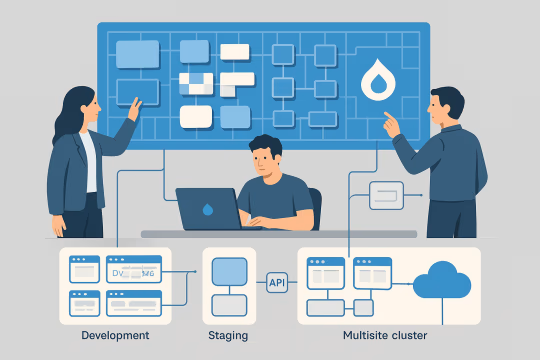
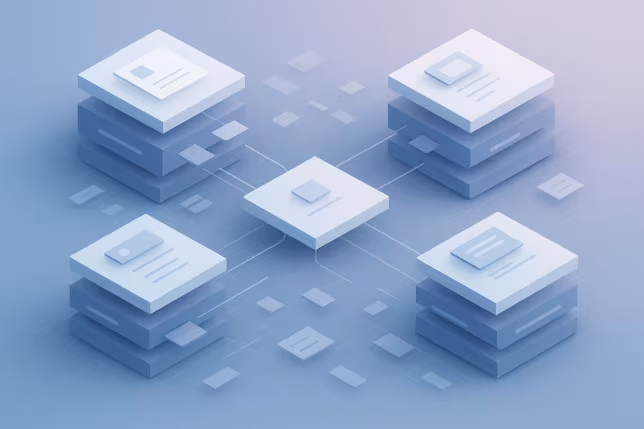
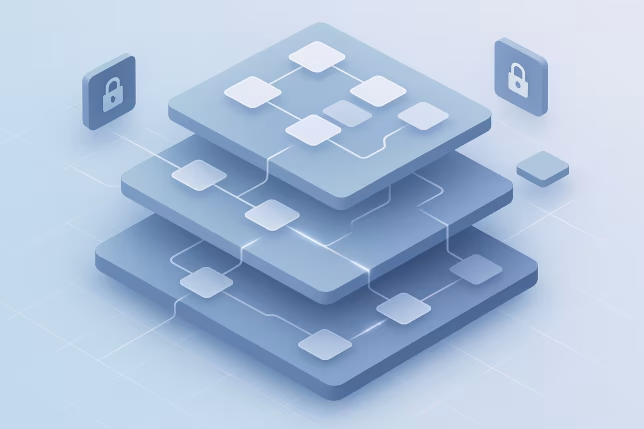
Modern organizations often rely on Drupal as a powerful CMS, but as digital ecosystems grow, traditional setups begin to show strain. Multiple sites, regions, brands, and business units introduce fragmentation — duplicated components, inconsistent experiences, and disconnected content workflows. What once worked for a single website becomes difficult to scale across a portfolio of digital properties, leading to slow releases, governance challenges, and rising operational costs.
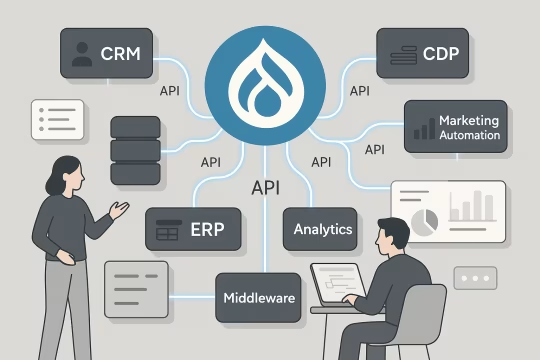
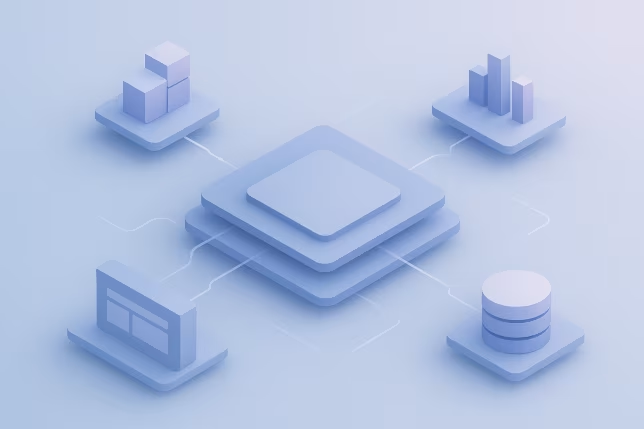
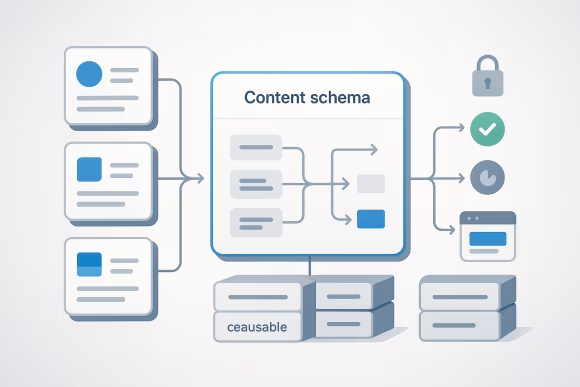
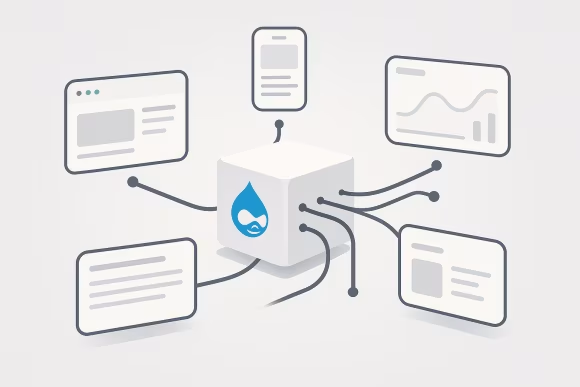
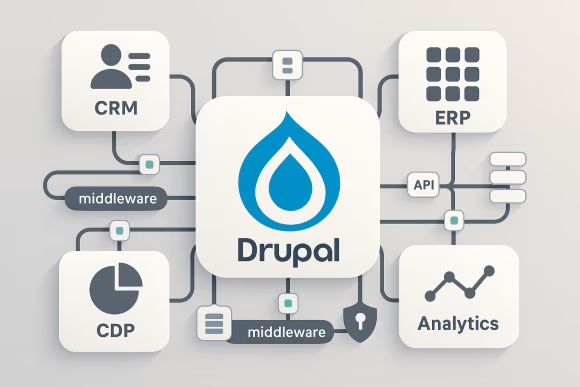
At the same time, digital platforms are no longer just content delivery systems. They must connect with CDPs, CRMs, analytics platforms, marketing automation, and external services. Without a well-designed Drupal DXP architecture, integrations become ad-hoc, performance suffers, and teams struggle to balance flexibility with stability. Technical debt accumulates, innovation slows, and marketing teams become dependent on development cycles for even small changes.
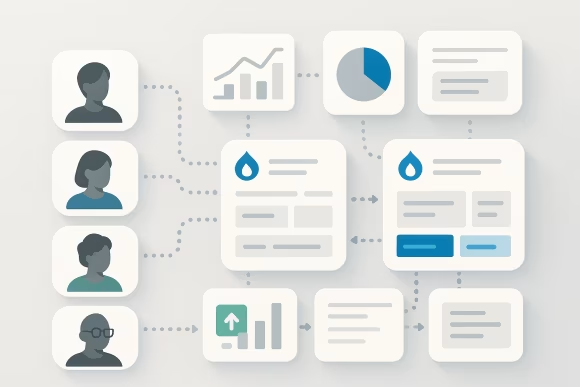
Enterprises also face growing expectations around personalization, performance, accessibility, and security. Legacy Drupal implementations often lack the architectural foundation to support headless or hybrid delivery models, cloud-native infrastructure, or modern DevOps practices. The result is a platform that works, but does not empower business growth — limiting scalability, slowing time to market, and making digital transformation harder than it should be.








 [01]
[01]