Copernicus Marine Service /
Drupal DXP Modernization for Scientific Data Access & Secure Services
Multi-Site Consolidation, SSO Integration & Governance-Ready Publishing Workflows
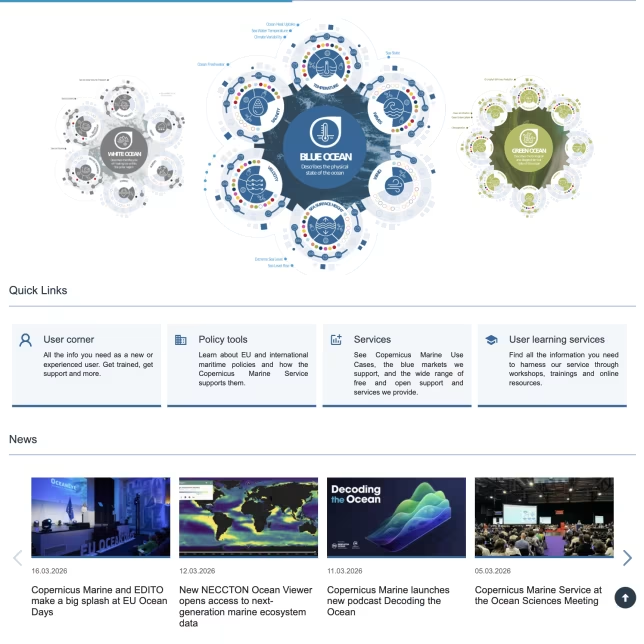
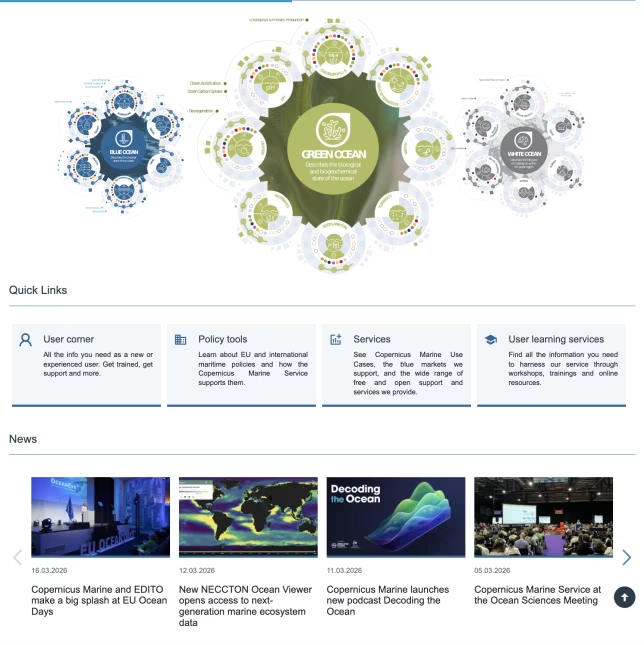
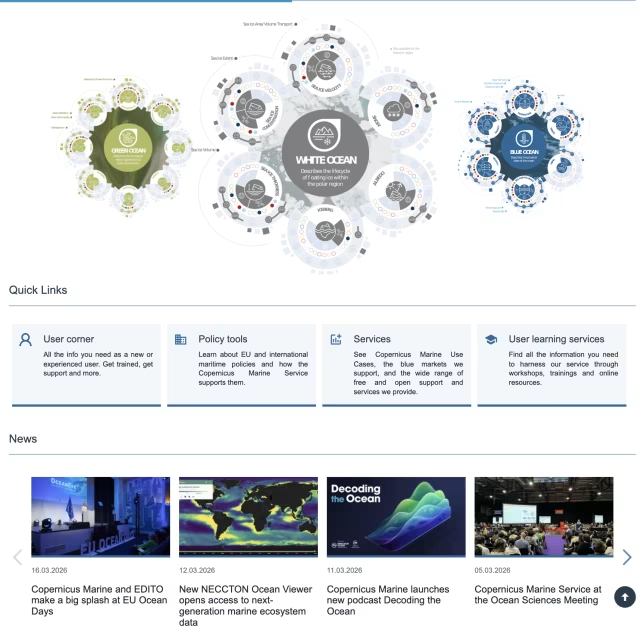
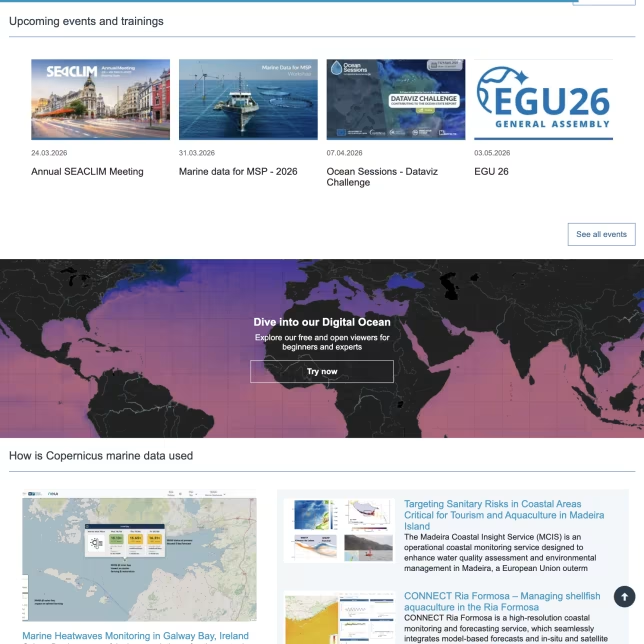
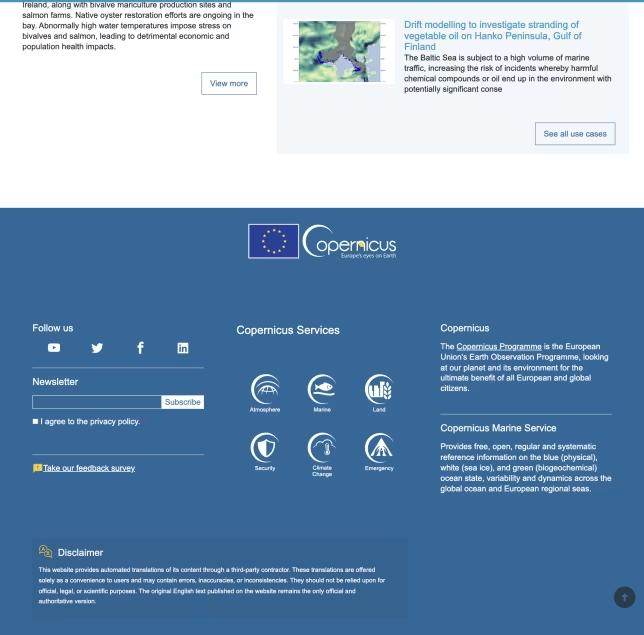
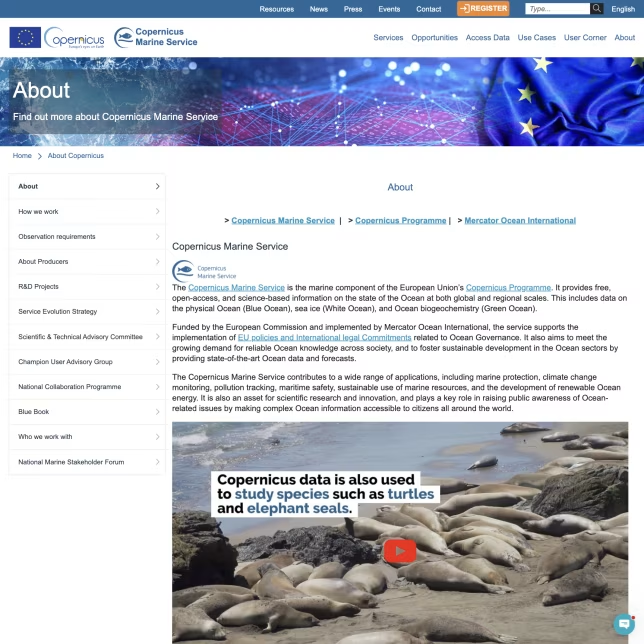
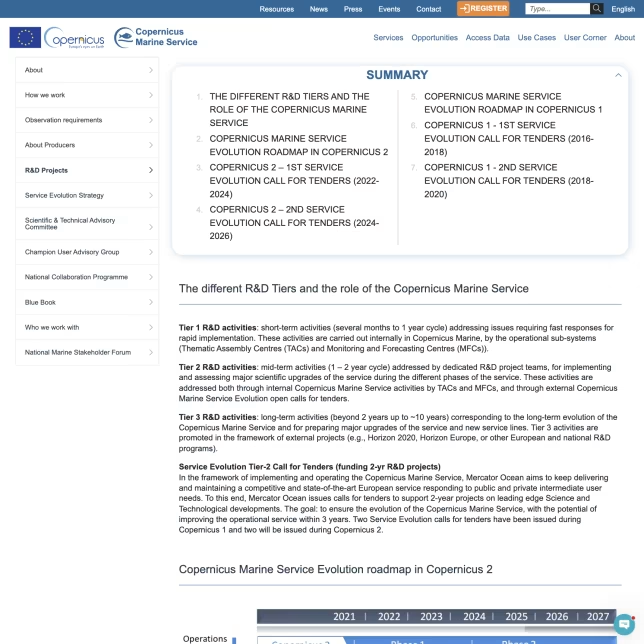
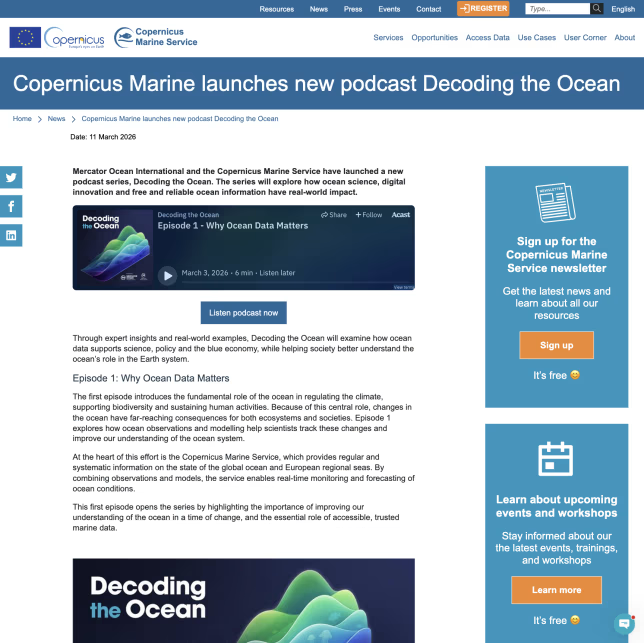
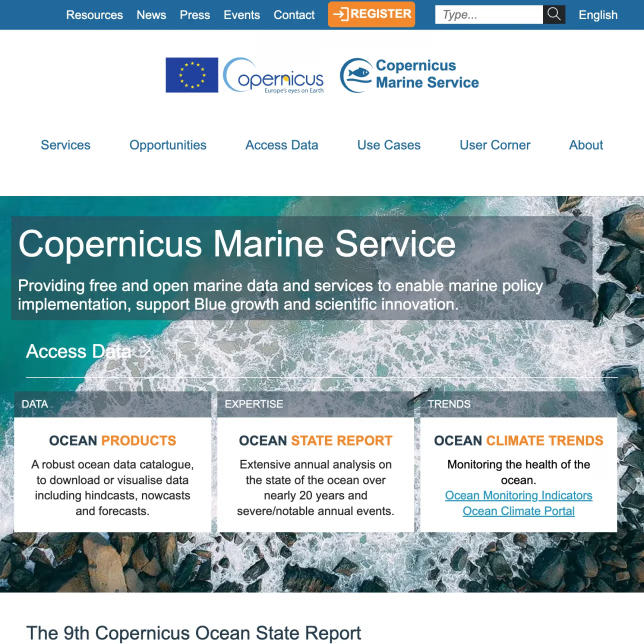
A modern Drupal Digital Experience Platform was delivered for Copernicus Marine Service to unify multiple legacy systems and significantly improve the efficiency, stability, and security of content delivery. The platform had evolved over time into a hybrid structure, including several WordPress installations and unmanaged PHP fragments embedded into page content — creating long-term maintenance risks and editorial complexity.
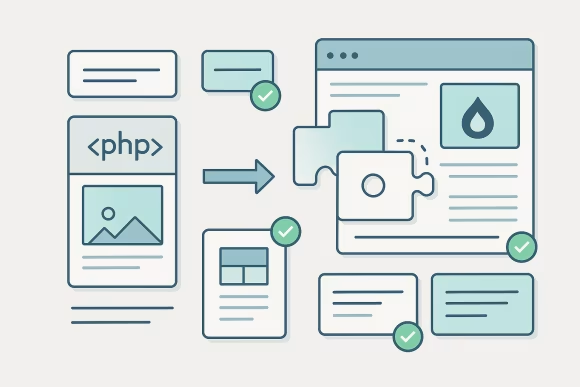
A full consolidation effort was executed where legacy WordPress and Drupal 7 sites were migrated into a centralized Drupal platform. Risky PHP code embedded across legacy content pages was replaced with safe and configurable Drupal components to ensure predictable behavior, governance, and compatibility across environments.
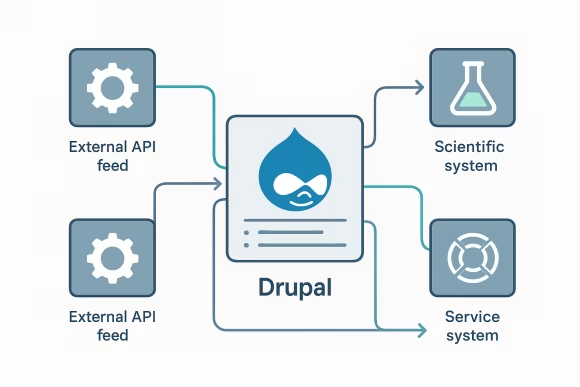
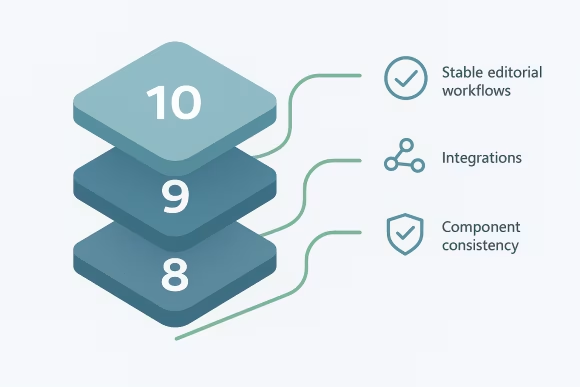
The solution was implemented and continuously enhanced through several Drupal iterations: initial delivery on Drupal 8, followed by upgrades to Drupal 9 and Drupal 10. Advanced integrations (Solr, API feeds, SAML SSO) and extended analytics tracking were delivered to support a scalable experience for scientists, institutional users, and business consumers across multiple services.
Technologies
Drupal 8 → 9 → 10
Acquia Cloud
Solr Search
SAML SSO
GA4 + GTM
API Feeds Integration
Industry
Project State
Region
Teams Collaboration
- Engineering & Delivery Team
- Client Stakeholders & Service Owners
- Editorial Teams (Multiple Sections & Content Types)
[The Challenge]
The platform was operating with multiple legacy systems that were not aligned in structure, workflows, or governance. Several WordPress instances and a Drupal 7 site coexisted with embedded PHP fragments inside standard page content. This created significant technical debt and limited the ability to scale, secure, and maintain the platform sustainably.
Publishing workflows were inconsistent across sections, and content changes required high manual effort. In addition, site stability and long-term security were affected by unmanaged code embedded at the content level, creating risk for both platform operations and future upgrades.
The challenge required a consolidated architecture where all content could be managed under a single governance model, integrations could be stabilized, and the platform could be prepared for long-term evolution without disrupting editorial operations.
[The Solution]
Unified Drupal Platform Delivery
Multiple legacy systems were consolidated into a single Drupal-based Digital Experience Platform to unify workflows, structure, and publishing governance.
WordPress & Drupal 7 Migration Execution
Legacy WordPress and Drupal 7 sites were migrated into Drupal with structured content models, standardized templates, and predictable editorial tooling.
PHP Fragment Elimination
Risky PHP code embedded into legacy page content was removed and replaced with configurable Drupal components for safe and scalable delivery.
Multi-Version Drupal Modernization
The platform was delivered through Drupal iterations: initial implementation on Drupal 8 followed by upgrades to Drupal 9 and Drupal 10 for long-term stability.
Enterprise Integrations
Solr search, external API feeds, and SAML SSO authentication were integrated to support modern user access patterns and service distribution.
Enhanced Analytics & Granular Tracking
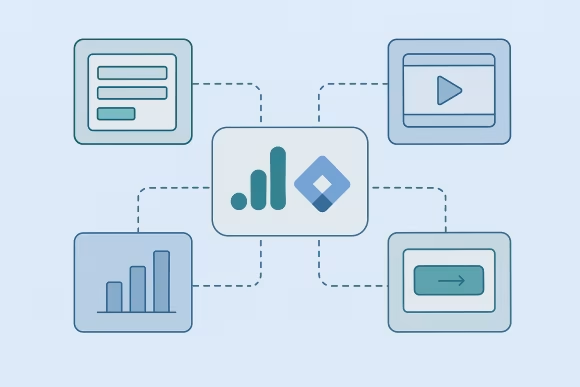
GA4/GTM tracking was extended beyond defaults to cover forms, videos, and CTAs — enabling deeper behavioral analytics and performance monitoring.
[Core Features]
[Implementation]
Migration Strategy & Content Mapping
Legacy systems were audited, content models were mapped, and structured migration processes were applied to ensure predictable data delivery into Drupal.
Component Replacement for Legacy Patterns
Legacy content patterns and PHP-driven fragments were replaced with Drupal components designed for configuration, reuse, and governance.
Platform Integrations & Access Layer
Solr, API feeds, and SAML SSO were integrated to ensure data discovery, service distribution, and authentication stability.
Analytics Extension & Performance Validation
Tracking coverage was expanded and performance was validated through Lighthouse improvements, ensuring measurable UX and SEO benefits.
[Testimonials]
Oleksiy (PathToProject) is demanding and responsive. Comfortable with an Agile approach and strong technical skills, I appreciate the way he challenges stories and features to clarify specifications before and during sprints.

Olivier Ritlewski
Ingénieur Logiciel chez EPAM Systems
[Business Outcomes]
Publishing Workflow Reduced by 2x
A unified editorial process was introduced, reducing publishing workflow effort by approximately two times across multiple sections and content types.
Lighthouse Scores Improved by 20–30%
Performance improvements increased Lighthouse scores by 20–30%, improving SEO readiness and end-user experience.
Platform Stability & Security Increased
Risky embedded PHP fragments were eliminated and replaced with governed components, resulting in significantly improved stability and security.
Consolidation of Legacy Platforms
Multiple WordPress and Drupal 7 sites were successfully consolidated into a single Drupal platform with unified governance.
Enterprise Search & Access Modernization
Solr search and SAML-based access workflows were implemented to support secure, scalable discovery and service delivery.
Improved Visibility via Granular Analytics
Enhanced GA4/GTM tracking enabled deeper insight into engagement for webforms, video interactions, and CTA performance.
[Next Projects]