Core Focus

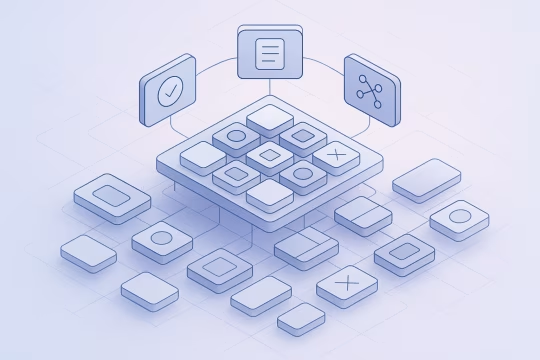
Reusable UI component architecture
Scalable frontend component systems

Best Fit For

  • Enterprise frontend platforms
  • Multi-product ecosystems

Key Outcomes

  • Faster interface development
  • Consistent user experience across applications

Integrates With

  • React and Next.js
  • Storybook and design token systems

Fragmented UI Development Slows Platform Growth

As digital platforms grow, frontend teams often duplicate UI components across projects and repositories. Interface elements such as buttons, navigation patterns, forms, and layouts are implemented multiple times with slight variations. Over time this creates inconsistent user experiences and increases maintenance complexity across applications.

Without a structured component library, developers spend time recreating interface patterns instead of building new product functionality. Design changes must be implemented repeatedly across codebases, increasing delivery time and introducing regression risks. Documentation is often incomplete or scattered, making onboarding and collaboration more difficult.

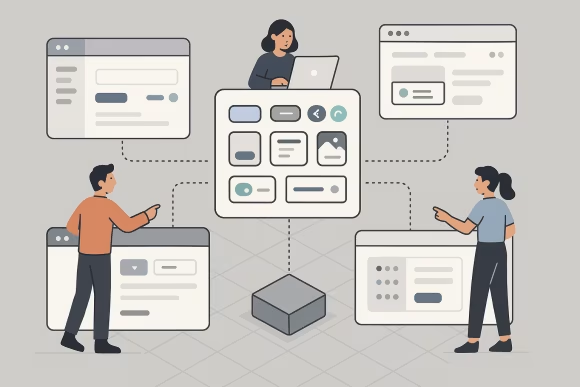
A well-designed component library solves these issues by centralizing UI building blocks into a reusable system. Teams can build features faster while maintaining consistent design patterns, reliable documentation, and a maintainable frontend architecture across the platform.

Our Component Library Engineering Approach

Component Discovery

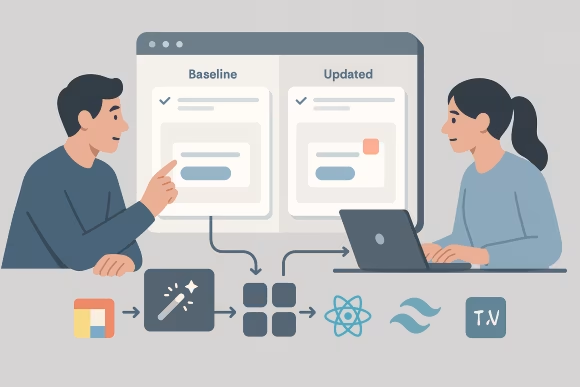
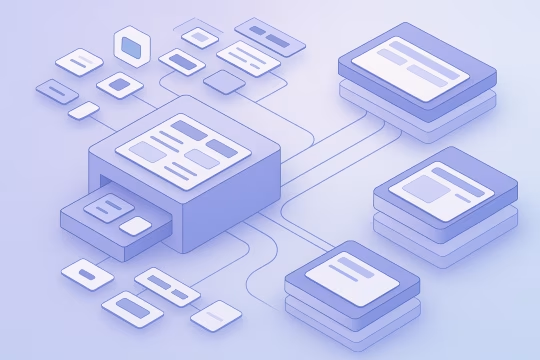
We analyze existing frontend applications to identify reusable UI patterns and duplicated components. This provides a foundation for defining the structure of the shared component system.

Architecture Design

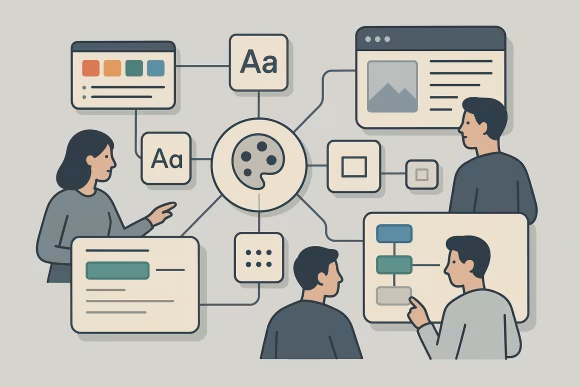
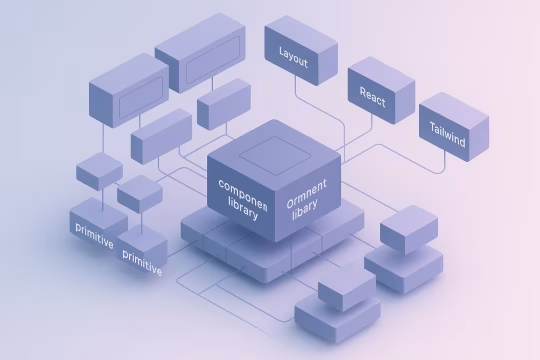
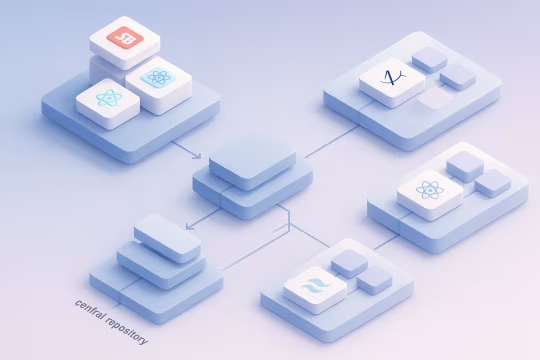
We design the architecture of the component library, including component hierarchy, dependency boundaries, and integration with design tokens. The structure supports scalability across multiple products and applications.

Component Engineering

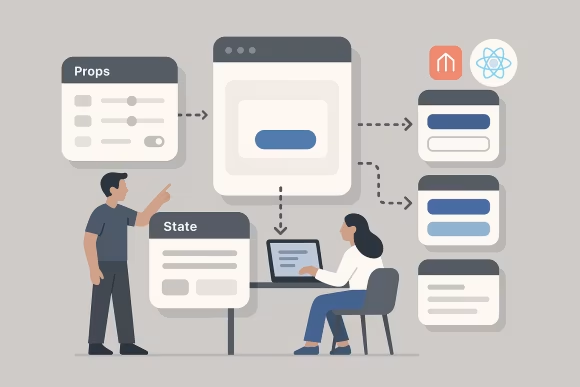
Reusable UI components are engineered as modular building blocks with clear APIs and configuration patterns. Components are built to remain flexible across multiple interface contexts.

Documentation Integration

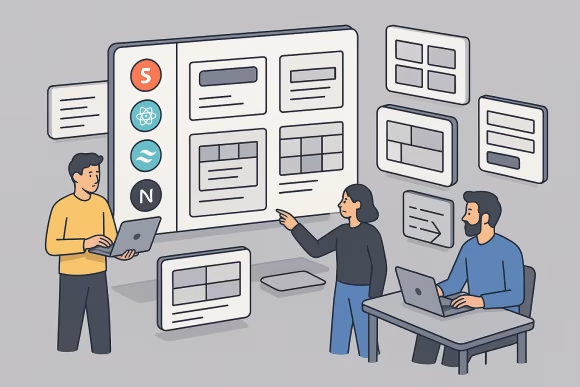
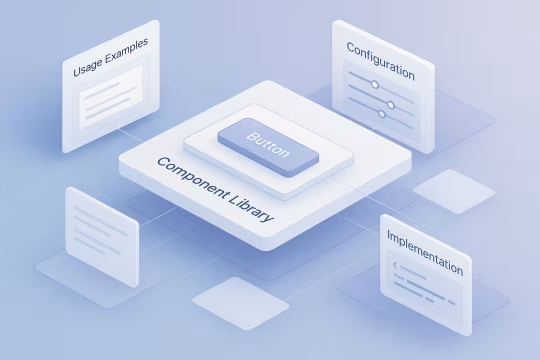
We integrate the component library with a documentation environment that allows developers and designers to explore components independently. Usage guidelines and examples ensure consistent implementation.

Testing Strategy

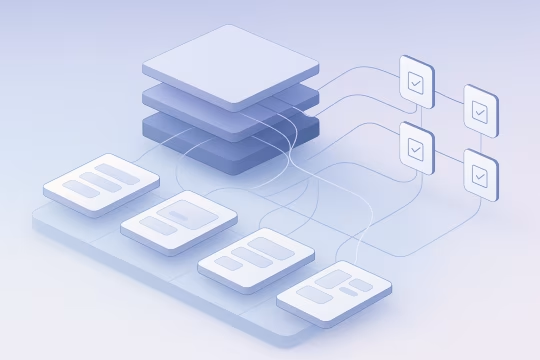
Automated testing and visual validation ensure that components behave consistently across updates. This protects the interface layer from regressions as the platform evolves.

Governance Model

We establish contribution guidelines, versioning strategies, and maintenance processes. This governance model ensures the component library evolves sustainably over time.

Core Component Library Capabilities

Component libraries provide the structural foundation for scalable frontend engineering. By organizing interface elements into reusable modules with well-defined APIs and documentation, teams can implement consistent UI patterns across applications and products. This structured component system reduces duplication, simplifies maintenance, and allows engineering teams to evolve frontend platforms without rewriting interface logic across multiple repositories.

What We Deliver
  • Component library architecture design
  • Reusable UI component engineering
  • Design system integration
  • Component documentation systems
  • Visual testing integration
  • Versioned component distribution
  • Frontend architecture governance
Who This Service Is For
  • CTO and engineering leadership
  • Frontend engineering teams
  • Design system teams
  • Platform engineering teams
  • Product development teams
  • Organizations managing multiple digital products
Technology Stack
  • React
  • Next.js
  • Storybook
  • Tailwind CSS
  • Design Tokens
  • Chromatic
  • NX Monorepo architectures

Delivery Process

Our component library delivery process focuses on transforming fragmented interface implementations into a structured and reusable system. We analyze existing frontend applications, identify duplicated components, and define a scalable architecture for shared UI modules. The implementation includes component engineering, documentation integration, testing strategies, and governance processes that allow teams to adopt reusable components safely across multiple applications and development environments.

[01]

Discovery

We review existing frontend implementations and identify reusable UI patterns.

[02]

Architecture

We design the component library structure and define integration with frontend frameworks.

[03]

Implementation

Reusable UI components are developed following scalable engineering patterns.

[04]

Documentation

Component documentation environments are established for developers and designers.

[05]

Testing

Automated testing and visual validation ensure interface stability.

[06]

Deployment

Components are published as versioned packages accessible across development teams.

[07]

Governance

Processes for contribution, versioning, and maintenance are implemented.

Business Outcomes

A well-implemented component library significantly improves development efficiency and platform consistency. Teams can build new features faster using reusable UI building blocks while maintaining consistent interface behavior across products. Centralized components also reduce technical debt, simplify maintenance, and allow organizations to evolve their frontend platforms without introducing inconsistencies across applications.

Faster Development

Reusable components significantly reduce time required to implement new interface features. Teams focus on product functionality instead of rebuilding UI elements.

Consistent User Experience

Shared components ensure consistent interface patterns across applications. Users experience predictable interactions across digital products.

Reduced Technical Debt

Centralizing UI components prevents duplication across codebases. Maintenance and updates become significantly easier.

Scalable Frontend Architecture

Component systems support growth across multiple applications and teams. Frontend architecture becomes easier to evolve over time.

Improved Collaboration

Designers and engineers collaborate around the same component definitions. Shared documentation improves communication and implementation accuracy.

Higher UI Quality

Testing and documentation reduce interface regressions. The platform maintains stable user experience across releases.

Related Services

Component libraries are closely connected to broader design system and frontend platform architecture initiatives. These services support structured UI engineering, reusable design patterns, and scalable frontend development across modern digital platforms.

Component Library Development FAQs

Component libraries are a foundational element of scalable frontend architecture and modern design system governance. Organizations implementing reusable UI components often face questions related to architecture structure, operational workflows, integration with frontend frameworks, and long-term maintainability. These frequently asked questions address the most common technical and strategic considerations for engineering teams adopting component libraries as part of their platform architecture. The answers focus on reliability, maintainability, development efficiency, and governance across multi-application environments. They also clarify how component systems integrate with modern frontend stacks and how organizations can evolve their design systems over time without disrupting active product development.

How do component libraries support scalable frontend architecture?

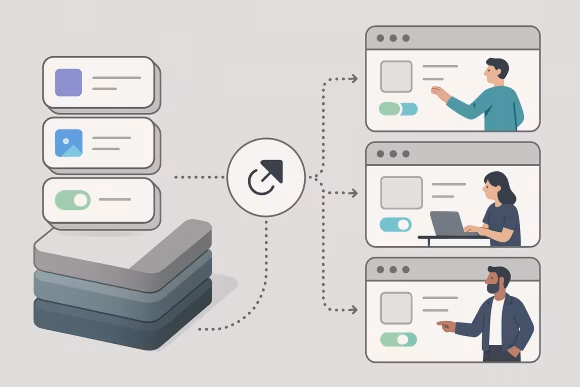
Component libraries enable scalable frontend architecture by centralizing reusable interface elements into a shared system that can be used across multiple applications and teams. Instead of each product implementing its own versions of buttons, forms, navigation patterns, and layout components, organizations maintain a structured library of standardized UI elements.

This approach significantly reduces duplication across codebases and ensures consistent user interface behavior. Engineers can rely on stable building blocks rather than recreating interface logic repeatedly. As applications evolve, improvements to shared components propagate across the platform ecosystem.

Over time, component libraries become an architectural layer within the frontend platform. They help organizations manage UI complexity across multiple products while maintaining predictable development workflows, consistent design implementation, and easier long-term maintenance of the interface layer.

What is the relationship between component libraries and design systems?

A component library represents the engineering implementation of a design system. While design systems define visual guidelines, interaction rules, and design tokens, component libraries translate those standards into reusable frontend code.

In practice, a design system defines how interfaces should look and behave, while the component library provides the actual code that implements those patterns. Developers import and reuse these components across applications, ensuring that visual and interaction standards remain consistent.

This relationship creates alignment between design and engineering teams. Designers define system guidelines and tokens, while engineers maintain the component architecture. When both layers evolve together, organizations can scale frontend development across multiple products while maintaining consistent branding, usability, and maintainability across the platform.

How are component libraries maintained as products evolve?

Maintaining a component library requires structured governance and versioning processes. As new interface patterns emerge, teams introduce new components or extend existing ones while maintaining backward compatibility where possible.

Most organizations maintain the component library as a versioned package within their frontend infrastructure. Applications can adopt new versions gradually, allowing teams to upgrade components without disrupting active development.

Governance processes are also essential. Teams define contribution guidelines, review procedures, and documentation standards to ensure consistency. A small design system or platform team often oversees the evolution of the library, ensuring that new components follow established architectural patterns while keeping the system maintainable over time.

How do component libraries improve development workflows for engineering teams?

Component libraries streamline development workflows by providing a shared repository of reusable interface elements. Engineers can build new product features using existing components rather than implementing UI patterns from scratch.

This significantly reduces development time and ensures consistent implementation of design patterns. Teams spend less time solving repetitive UI problems and more time focusing on product logic and user experience improvements.

Component documentation environments also improve collaboration. Developers can explore components independently, test variations, and understand how elements behave before integrating them into applications. This improves onboarding for new engineers and reduces ambiguity when implementing new features across large development teams.

How do component libraries integrate with modern frontend frameworks such as React or Next.js?

Component libraries are typically built using the same frameworks that power the frontend applications consuming them. For example, a React-based product ecosystem will often maintain its component library as a React package that can be imported by multiple applications.

The library is usually distributed through a package management system or monorepo architecture. Applications import components directly into their codebase while inheriting updates through version upgrades.

Integration with frameworks such as Next.js allows components to participate fully in modern rendering pipelines, including server-side rendering and static generation. This ensures that shared components remain compatible with platform architecture while supporting performance optimization strategies used in modern web applications.

Can a single component library support multiple products or platforms?

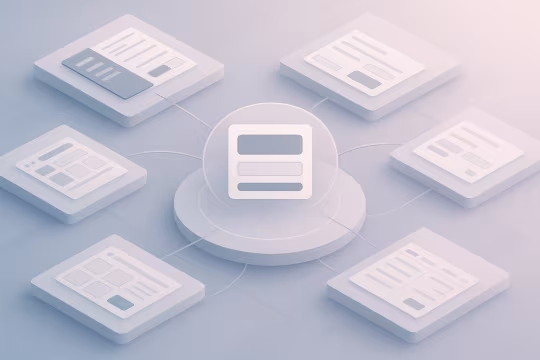
Yes. One of the primary goals of a component library is to support multiple applications and digital products within a platform ecosystem. By maintaining a shared set of interface components, organizations can reuse UI patterns across different products without duplicating development work.

In multi-product environments, component libraries ensure consistent design language and interaction behavior across applications. This helps maintain brand consistency while simplifying development workflows for engineering teams.

Some organizations maintain layered component libraries where core components remain universal while product-specific components extend the system. This layered approach allows teams to scale component systems across different applications without sacrificing flexibility or maintainability.

How are breaking changes managed when evolving a component library?

Breaking changes are typically managed through structured versioning strategies. When a component update introduces behavior or API changes that may affect existing applications, the update is released as a major version.

Applications can then decide when to adopt the new version. This allows teams to plan migrations without disrupting active development or production systems.

Clear documentation and migration guides are also essential. Engineering teams describe what has changed, how to update existing components, and how to test integrations after upgrading. This structured approach ensures that the component library can evolve over time while minimizing operational risk for applications relying on shared UI components.

How do component libraries reduce frontend technical debt?

Frontend technical debt often emerges when teams implement similar UI patterns multiple times across different codebases. Over time, these duplicated implementations diverge, making maintenance and updates increasingly difficult.

Component libraries address this problem by centralizing interface elements into reusable modules. Instead of maintaining many variations of the same UI component, teams update a single shared implementation.

This reduces the amount of duplicated code and simplifies long-term maintenance. When design patterns evolve or accessibility improvements are required, updates can be applied within the component library and adopted across applications. This centralized architecture helps organizations maintain cleaner frontend codebases while improving development efficiency.

How do component libraries support governance within a design system?

Component libraries play a key role in enforcing design system governance by providing a controlled implementation of UI standards. Instead of relying solely on documentation or design guidelines, engineering teams interact directly with reusable components that follow established design rules.

Governance is supported through contribution processes, versioning strategies, and review workflows. Teams introducing new components or modifying existing ones must follow defined standards that maintain architectural consistency.

This approach ensures that the design system evolves in a structured manner. It prevents fragmentation of interface patterns and keeps the platform’s visual and interaction standards aligned across multiple applications and teams.

What are the risks of not implementing a component library?

Without a component library, frontend development often becomes fragmented across projects and teams. Developers implement interface elements independently, which leads to duplicated code and inconsistent design patterns across applications.

Over time this increases maintenance complexity. Design updates require changes across multiple codebases, and developers must repeatedly solve the same UI problems. Documentation becomes inconsistent, making onboarding new team members more difficult.

These issues can significantly slow product development as platforms grow. Implementing a component library provides a structured approach to managing UI complexity while enabling teams to build features faster and maintain consistent design standards across the platform.

How do component libraries support long-term platform evolution?

Component libraries provide a stable architectural layer that separates interface patterns from application logic. This separation allows organizations to evolve their frontend platforms while maintaining consistent user experiences.

As technologies change or new applications are introduced, the component system continues to serve as a reusable UI foundation. Teams can modernize infrastructure or frameworks without redesigning interface patterns from scratch.

This stability is particularly important for large digital ecosystems with multiple applications. A well-governed component library ensures that platform evolution remains controlled and predictable while enabling continuous improvements to user interface architecture.

How does a typical component library engagement begin?

Most engagements begin with a structured discovery phase that analyzes the existing frontend architecture and UI implementation patterns across applications. This step identifies duplicated components, inconsistent design patterns, and opportunities for reuse.

Based on this assessment, teams define the architecture of the component library, including component hierarchy, documentation environments, and integration with existing frameworks. Initial components are typically extracted from existing applications and standardized into reusable modules.

The component library then evolves iteratively as new features are developed. This incremental approach allows organizations to introduce a structured UI system without disrupting ongoing product development while gradually improving frontend architecture across the platform.

Related Projects

What Clients Say

Build a Scalable Component Library

Let’s design a reusable component architecture that supports scalable frontend development and consistent user experiences across your digital platforms.

Oleksiy (Oly) Kalinichenko

Oleksiy (Oly) Kalinichenko

CTO at PathToProject

Do you want to start a project?