Core Focus

Frontend platform architecture
Reusable UI engineering

Best Fit For

  • Enterprise digital platforms
  • Multi-product ecosystems

Key Outcomes

  • High-performance user interfaces
  • Faster frontend delivery cycles

Integrates With

  • Design systems
  • Headless CMS platforms

Fragmented Frontend Architectures Slow Product Delivery

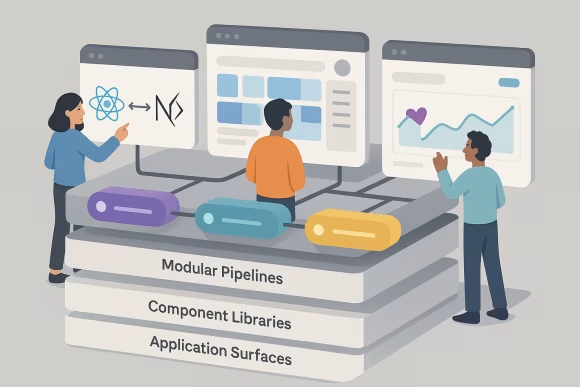
As digital platforms grow, frontend architectures often become fragmented across teams and applications. Developers implement similar UI components in multiple repositories, leading to duplicated code and inconsistent interface patterns.

Over time this fragmentation increases operational complexity. Design updates must be implemented across multiple codebases, which slows development cycles and introduces regression risks. Inconsistent implementation patterns also make onboarding new engineers more difficult.

Performance can also suffer when frontend architectures evolve without a clear structure. Applications accumulate unnecessary dependencies and inefficient rendering patterns that affect user experience.

Without a structured frontend architecture, organizations struggle to scale product development across teams. A well-designed frontend engineering approach centralizes reusable components, establishes clear architectural patterns, and enables teams to deliver consistent user interfaces while maintaining platform stability.

Our Frontend Engineering Approach

Platform Discovery

We analyze existing frontend implementations, identifying duplicated UI patterns and performance bottlenecks. This assessment provides the foundation for a scalable frontend architecture.

Architecture Design

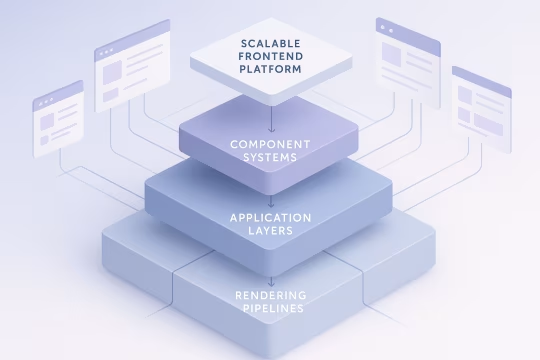
We define the structural architecture of the frontend platform including component systems, framework structure, and build workflows. The architecture supports long-term scalability across applications.

Component System Integration

Reusable UI components and design tokens are integrated into the frontend architecture. This ensures consistent interface implementation across teams.

Performance Optimization

Frontend applications are optimized using modern rendering strategies and efficient asset delivery. These improvements improve load performance and user experience.

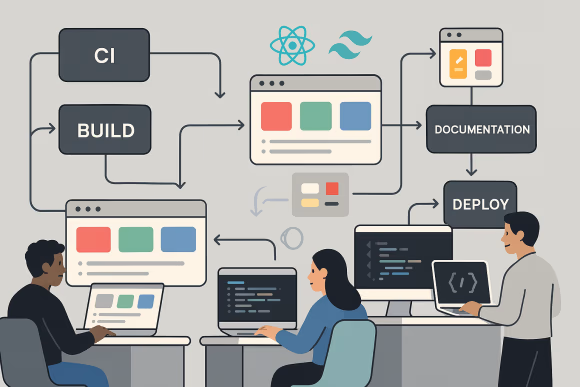
Build and Deployment Pipelines

We establish reliable build systems and deployment workflows that support continuous development. This enables predictable releases and safer updates.

Governance and Evolution

Frontend governance models ensure the architecture evolves sustainably over time. Teams follow shared standards and reusable patterns.

Core Frontend Engineering Capabilities

Frontend engineering capabilities focus on building scalable application architectures that support modern digital platforms. By combining structured component systems, performance-oriented rendering strategies, and reliable development tooling, teams can create frontend systems that remain maintainable as applications grow. These capabilities allow organizations to deliver consistent user interfaces, improve engineering productivity, and ensure frontend platforms evolve without accumulating unnecessary technical complexity.

What We Deliver
  • Frontend architecture design
  • React and Next.js engineering
  • Reusable UI component systems
  • Performance optimization strategies
  • Frontend build pipeline engineering
  • Design system integration
  • Frontend governance models
Who This Service Is For
  • CTO and engineering leadership
  • Frontend engineering teams
  • Platform architecture teams
  • Product development teams
  • Digital transformation leaders
  • Organizations managing multiple applications
Technology Stack
  • React
  • Next.js
  • TypeScript
  • Tailwind CSS
  • Storybook
  • Vercel
  • NX Monorepo architectures

Delivery Process

Our frontend engineering delivery process focuses on establishing a structured architecture that supports scalable product development. We analyze existing implementations, identify duplicated patterns and performance bottlenecks, and define a clear architectural model for component systems, rendering strategies, and development workflows. This approach introduces reliable build pipelines, reusable interface modules, and governance standards that allow engineering teams to collaborate efficiently while maintaining platform stability.

[01]

Discovery

We evaluate the current frontend architecture and identify structural challenges.

[02]

Architecture

We design scalable frontend structures aligned with platform architecture.

[03]

Implementation

Frontend components and application frameworks are implemented.

[04]

Integration

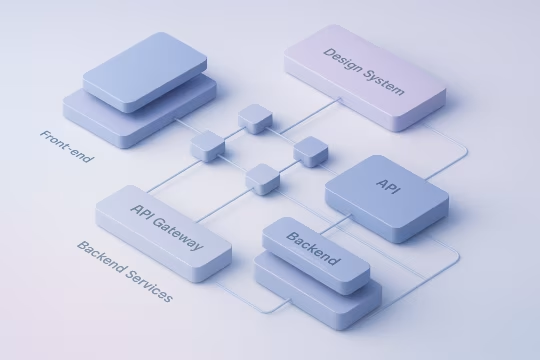
Design systems, APIs, and backend platforms are integrated with the frontend.

[05]

Testing

Testing workflows ensure frontend stability and performance.

[06]

Continuous Evolution

Frontend systems evolve through iterative improvements and governance.

Business Outcomes

A well-designed frontend engineering architecture improves development velocity, platform reliability, and long-term maintainability. Teams can build features faster using reusable components while maintaining consistent interface behavior across applications. Structured architectures also reduce operational risk by limiting duplicated logic and improving performance efficiency. As organizations scale their digital platforms, this engineering foundation enables multiple teams to deliver products consistently while preserving a stable and predictable frontend ecosystem.

Faster Product Delivery

Reusable UI systems reduce development time for new features. Teams can focus on product functionality rather than rebuilding interface patterns.

Consistent User Experience

Shared component architectures ensure interface consistency across applications. Users experience predictable interaction patterns.

Improved Platform Performance

Performance-focused architectures reduce loading times and improve responsiveness. Optimized rendering strategies enhance overall platform reliability.

Reduced Frontend Complexity

Structured architecture reduces duplicated UI logic across codebases. Maintenance and updates become significantly easier.

Scalable Engineering Workflows

Frontend platforms support growth across multiple teams and applications. Teams can collaborate efficiently without fragmenting the interface architecture.

Higher Development Productivity

Clear architectural patterns and reusable components improve developer efficiency. Engineers can build features faster with fewer implementation errors.

Related Services

Frontend engineering connects closely with design systems, component libraries, and modern headless platform architectures. These services help organizations build scalable interface platforms and reusable UI ecosystems that support long-term digital platform growth.

Frontend Engineering FAQs

Frontend engineering initiatives often involve architectural decisions, platform integration considerations, and operational workflows that affect long-term maintainability. These questions address common concerns related to scalable frontend architecture, integration with modern platforms, governance practices, and collaboration models used by engineering teams building complex digital platforms.

What defines a modern frontend architecture for enterprise platforms?

Modern frontend architecture combines modular UI components, structured state management, and scalable build systems that support multiple applications. Instead of monolithic frontend codebases, teams structure applications around reusable components and platform patterns. This architecture allows organizations to scale development across teams while maintaining consistent user interfaces and predictable performance. Modern frameworks, component systems, and build pipelines enable reliable deployment workflows and sustainable long-term platform evolution.

How can frontend architecture scale across multiple products?

Scalable frontend architectures rely on reusable component systems and shared development standards. Instead of building independent UI implementations for each application, teams consume shared components and design tokens from a centralized system. This ensures consistent interfaces while reducing duplicated engineering work. Combined with structured build pipelines and governance processes, the architecture allows multiple product teams to develop independently while maintaining platform consistency.

How are deployment workflows typically managed in frontend platforms?

Frontend deployment workflows rely on automated build pipelines and continuous integration processes. Source code changes trigger automated builds, testing processes, and deployment steps that validate the application before release. This approach ensures consistent builds and predictable release cycles. Teams can deploy updates safely while maintaining platform stability.

How do large engineering teams collaborate effectively on frontend platforms?

Collaboration across frontend teams is supported through shared component libraries, documentation environments, and architectural guidelines. These tools provide a common set of UI building blocks and development patterns that engineers can reuse across projects. Clear governance processes ensure that new components and architectural changes follow consistent standards. This shared framework allows multiple teams to contribute to the platform without introducing fragmentation.

How do frontend applications integrate with headless CMS platforms?

Frontend applications integrate with headless CMS platforms through API-driven architectures. Content is delivered through APIs while the frontend framework renders the user interface. This separation allows teams to develop user interfaces independently from backend content management systems. It also enables faster page delivery and more flexible application architecture.

How do frontend platforms integrate with design systems?

Frontend platforms consume design system components and design tokens directly through shared component libraries. These reusable components implement design guidelines in code, ensuring consistent interface behavior across applications. Integration with documentation tools allows developers to explore and test components independently before implementation. This alignment between design and engineering ensures consistent user experience across products.

How is governance managed across large frontend ecosystems?

Frontend governance ensures that architectural standards and component patterns remain consistent across applications. Most organizations maintain shared guidelines for component usage, code structure, and release processes. Governance teams or platform architects review architectural decisions and maintain shared component libraries. This structure prevents fragmentation while allowing teams to contribute improvements to the platform.

How do frontend platforms evolve as technologies change?

Frontend platforms evolve through incremental improvements to architecture, components, and development workflows. Versioned component systems allow applications to adopt improvements gradually. Teams can introduce new frameworks, performance optimizations, or build pipelines without rebuilding the entire platform. This iterative approach ensures long-term sustainability while maintaining platform stability.

What risks arise when frontend architecture is not structured?

Unstructured frontend architecture often leads to duplicated components, inconsistent UI patterns, and difficult maintenance across applications. Over time this fragmentation slows development and increases operational risk. Updating interface patterns becomes more complex because changes must be implemented across multiple codebases. Structured architecture helps prevent these issues.

How does structured frontend engineering reduce platform risk?

Structured frontend engineering centralizes reusable UI logic and establishes clear architectural patterns. This reduces duplicated implementation across projects and simplifies maintenance. Versioned component systems and automated testing workflows allow teams to update interfaces safely while maintaining application stability.

How does a frontend engineering engagement usually begin?

Frontend engagements typically begin with a discovery phase that analyzes the current platform architecture and development workflows. This assessment identifies performance issues, duplicated UI patterns, and opportunities for reusable component systems. Based on this analysis, teams design a scalable frontend architecture and define implementation priorities.

What is the first step when starting collaboration on frontend engineering?

Collaboration usually begins with an architectural assessment of the existing frontend platform. Engineering teams review application structure, performance characteristics, component reuse patterns, and integration with backend systems. This evaluation identifies opportunities to improve scalability and maintainability. Based on these insights, teams define a roadmap for evolving the frontend architecture while maintaining stable delivery workflows.

Related Projects

What Clients Say

Engineer a Scalable Frontend Platform

Let’s evaluate your frontend architecture and design a scalable interface platform that supports reliable product development.

Oleksiy (Oly) Kalinichenko

Oleksiy (Oly) Kalinichenko

CTO at PathToProject

Do you want to start a project?