Manual Deployments Slow You Down
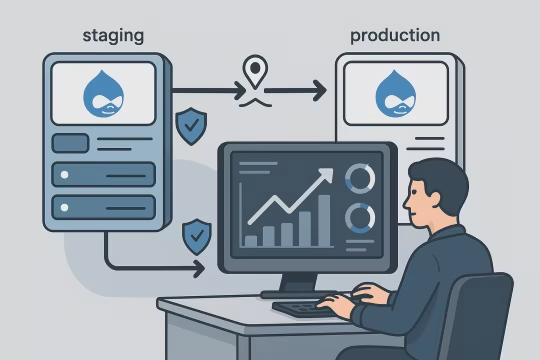
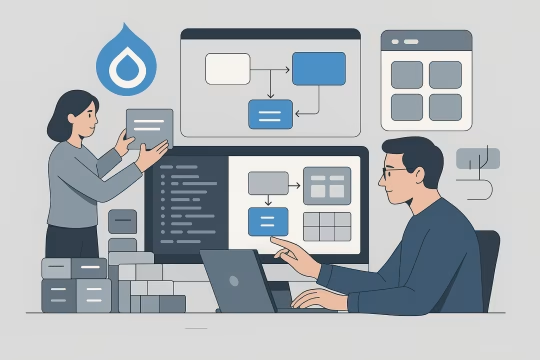
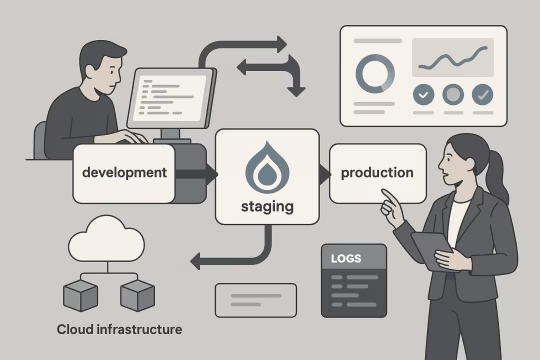
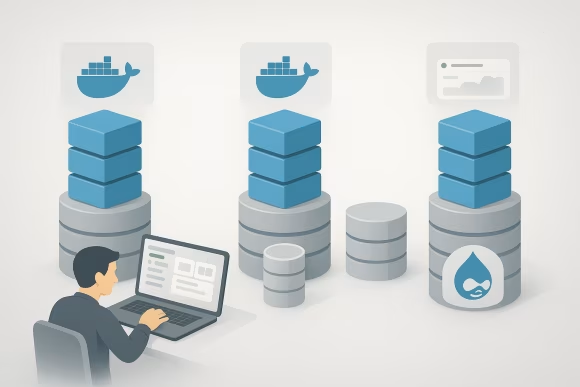
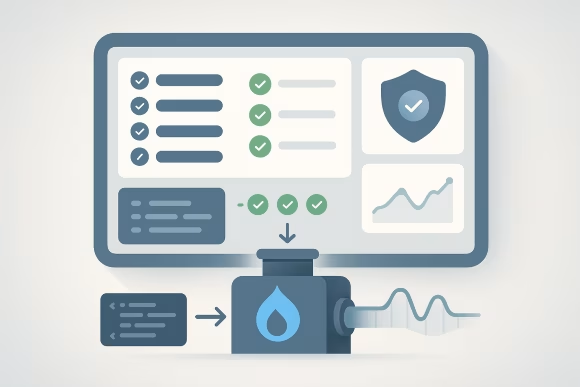
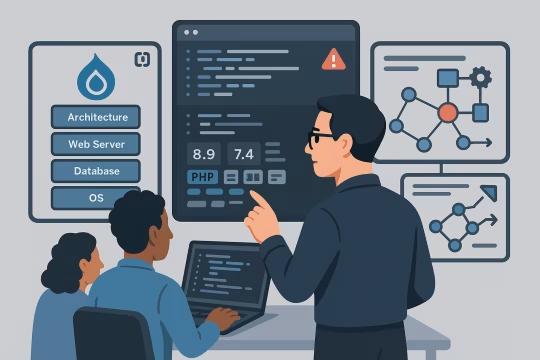
Many Drupal platforms still rely on manual deployments, inconsistent environments, and fragile release processes. When releases depend on individual operators and undocumented steps, teams accumulate configuration drift between development, staging, and production, and small changes can trigger outages or hard-to-diagnose regressions. Over time, this creates delivery bottlenecks: releases become slower, coordination overhead increases, and teams avoid shipping improvements because the operational risk is too high.
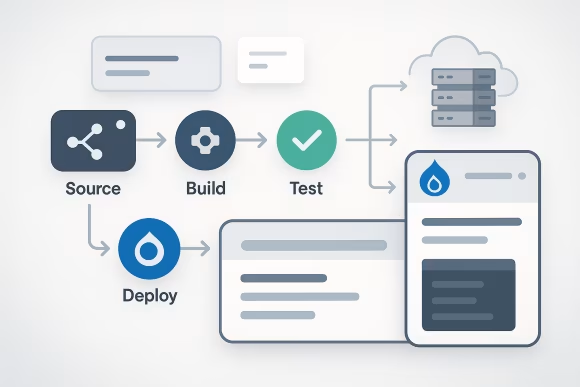
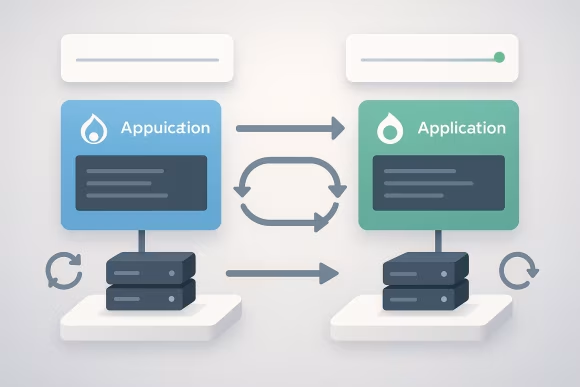
As traffic and organizational complexity grow, the lack of a consistent Drupal CI/CD pipeline and repeatable deployment automation makes scaling unpredictable. Environments diverge, dependencies are upgraded inconsistently, and rollback paths are unclear. This often results in longer incident resolution times, higher maintenance overhead, and reduced confidence in platform changes.
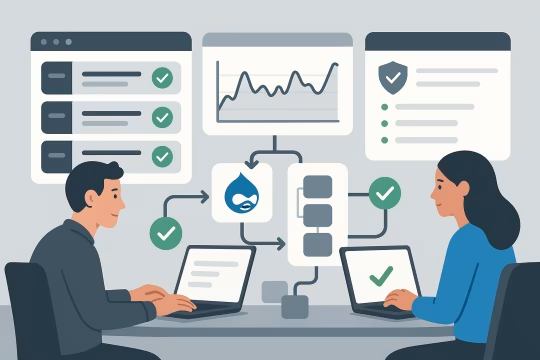
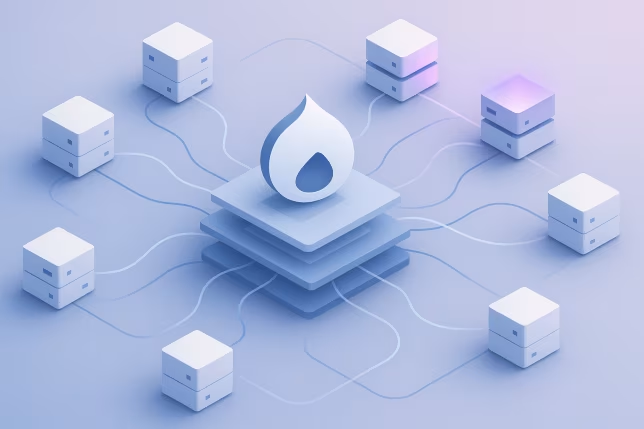
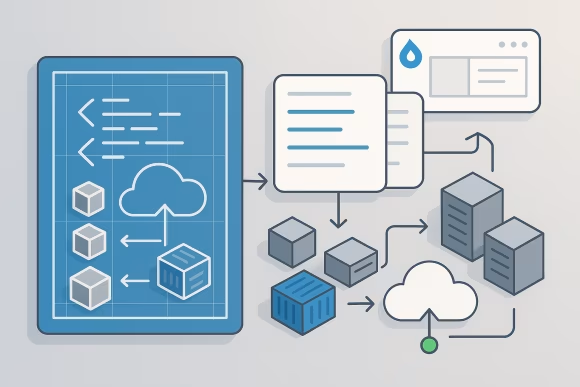
Without disciplined infrastructure management and governance, Drupal infrastructure becomes harder to audit and evolve. Teams may struggle to standardize runtime configuration, enforce quality gates, or maintain reliable release cadence across multiple sites and services. The outcome is increased operational risk, higher cost of change, and a platform that is difficult to modernize safely.





 [01]
[01]