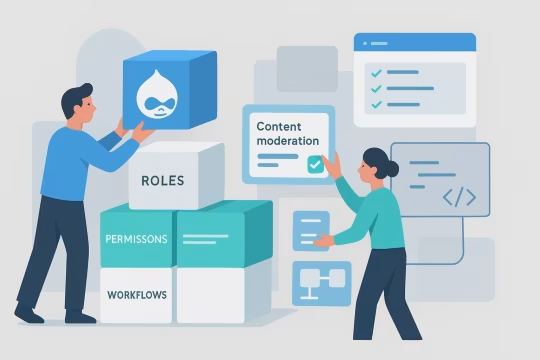
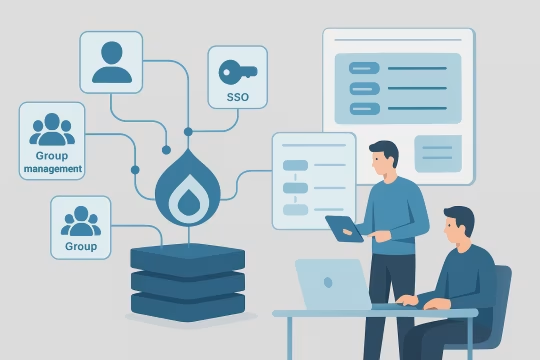
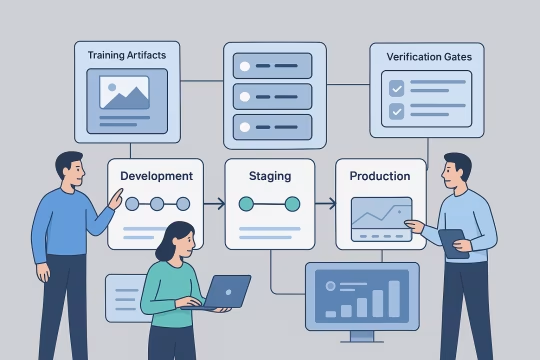
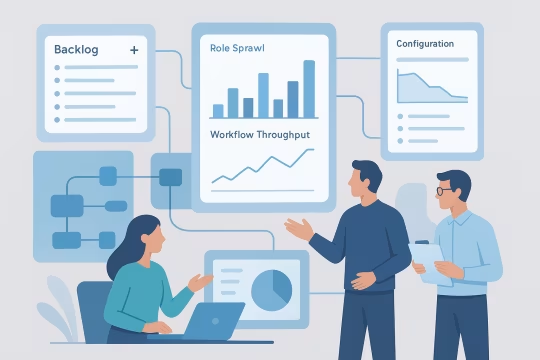
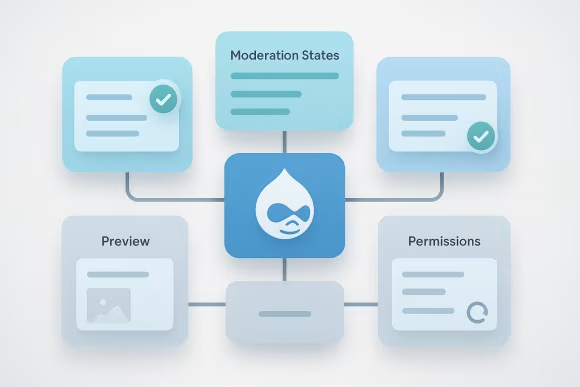
Drupal governance architecture design defines how people, roles, workflows, and platform controls work together to publish safely at scale. It translates organizational operating models into Drupal capabilities such as an Enterprise Drupal permissions model, RBAC for Drupal platforms, content moderation, workflow states, and approval paths, while keeping the platform maintainable as teams and sites grow.
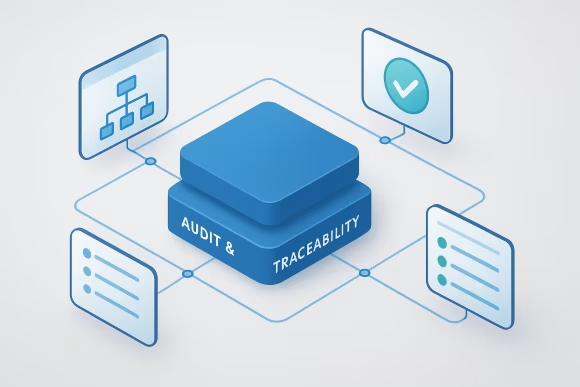
Organizations need governance architecture when editorial operations become distributed, regulated, or high-volume. Without a clear model, permissions drift, workflows become inconsistent across content types, and teams compensate with manual checks that do not scale. Governance architecture provides a structured approach to content lifecycle management, accountability, and traceability.
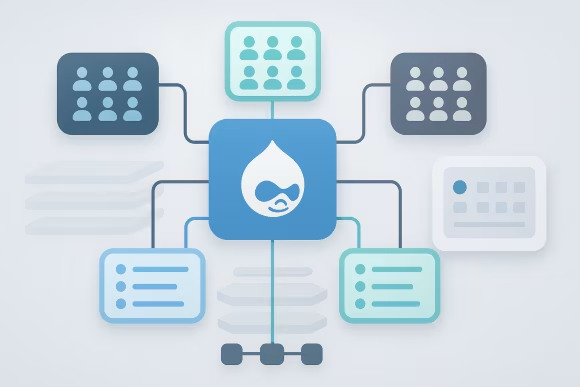
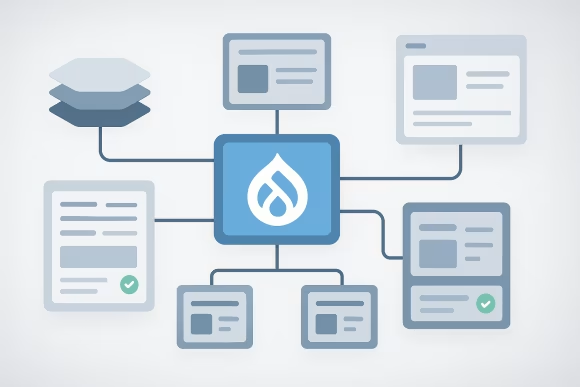
A well-designed governance layer supports scalable platform architecture by standardizing patterns for roles and responsibilities, content state transitions, and reusable workflow components. It also creates a foundation for future evolution: new channels, additional sites, delegated administration, and integrations with identity providers or downstream publishing systems can be added without reworking core controls.










 [01]
[01]