Unstable API Contracts Slow Frontend Delivery
As Drupal platforms evolve into headless and multi-channel ecosystems, teams often expose content through ad-hoc endpoints, inconsistent JSON structures, or partially documented APIs. Frontend applications then depend on fragile assumptions about fields, relationships, and permissions. As content models change, the API surface shifts unpredictably, creating regressions across multiple products and channels.
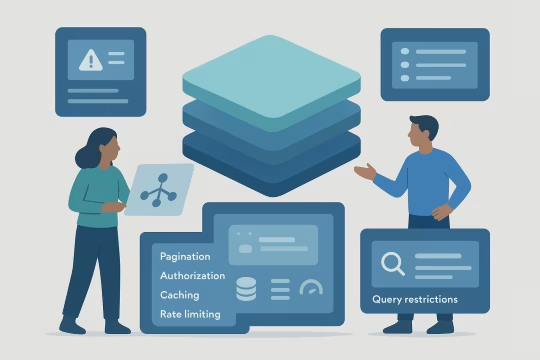
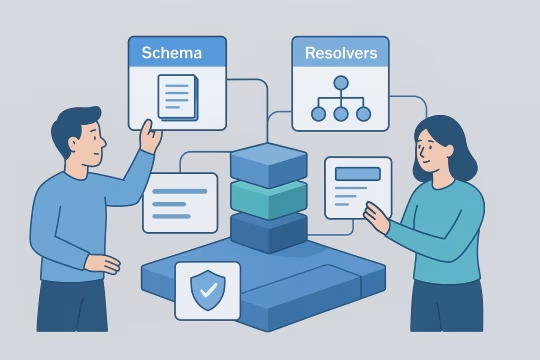
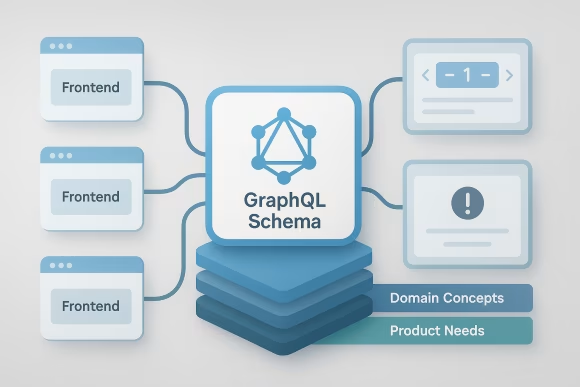
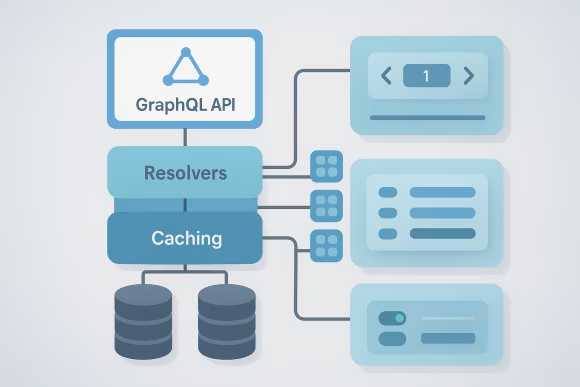
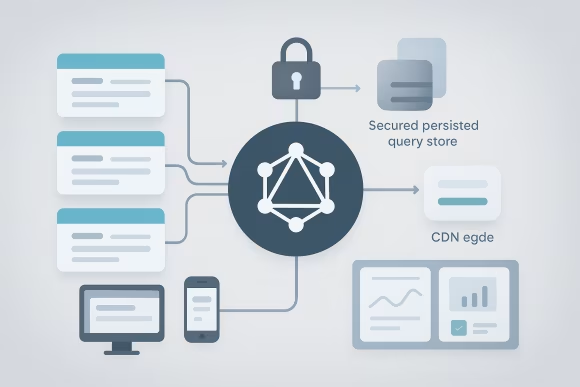
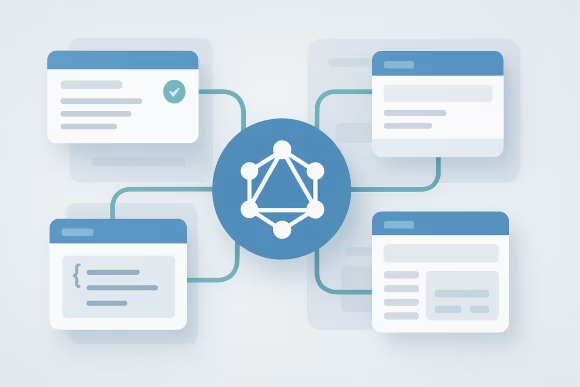
Without a governed GraphQL layer, schema design tends to mirror internal Drupal structures rather than domain concepts. Queries become expensive due to deep relationship traversal, N+1 patterns, and unbounded query shapes. Security is frequently implemented inconsistently, with authorization logic split between Drupal permissions, custom resolvers, and downstream services. The result is an API that is difficult to reason about and harder to operate under load.
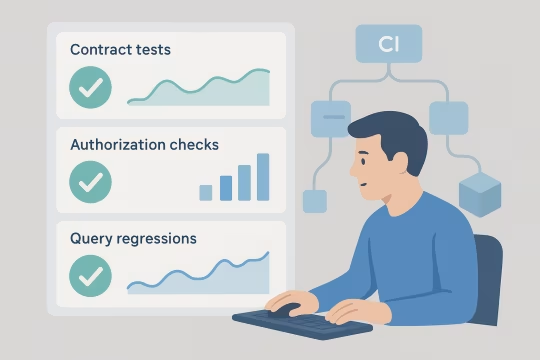
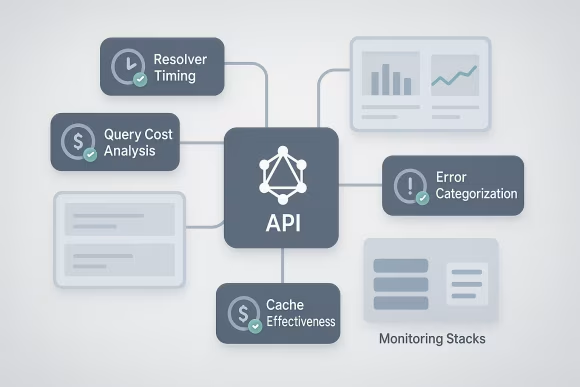
Operationally, these issues show up as slow releases, frequent integration defects, and performance incidents that are hard to diagnose. Teams spend time negotiating breaking changes, rebuilding client-side workarounds, and tuning infrastructure reactively. Over time, the platform accumulates integration debt that limits the ability to add new channels, onboard new teams, or modernize frontend architecture safely.




 [01]
[01]