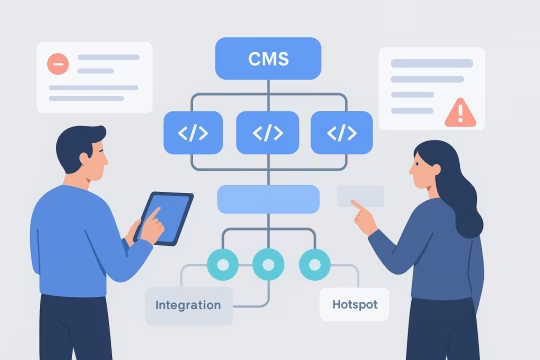
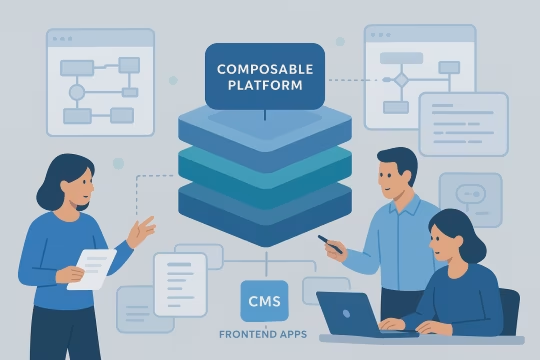
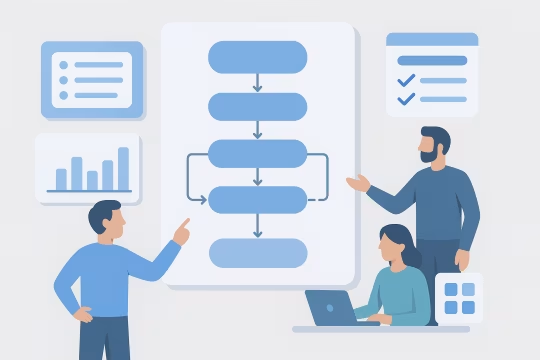
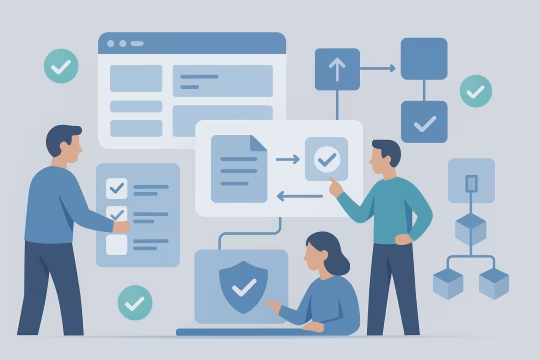
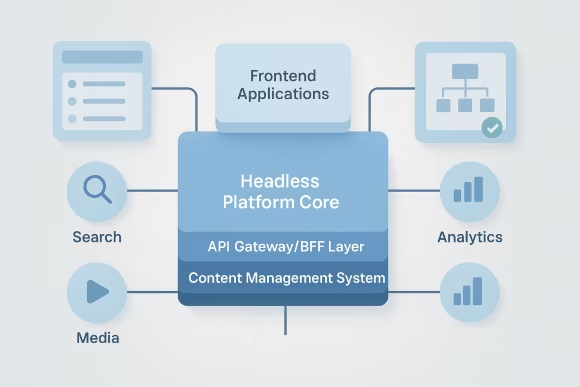
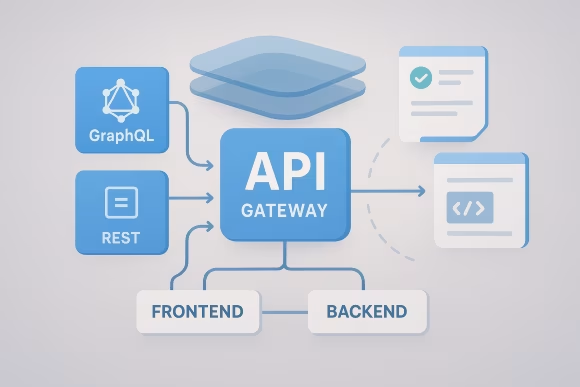
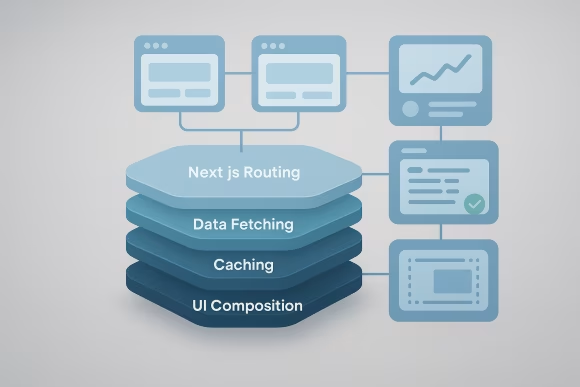
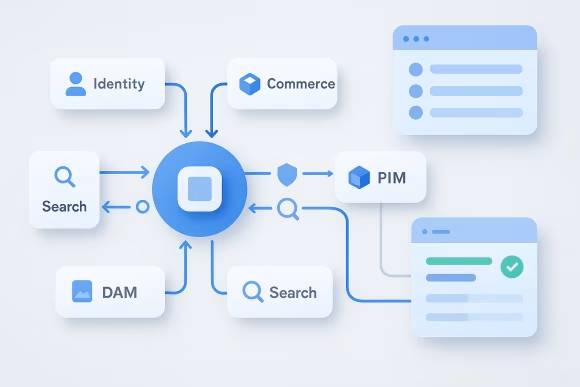
Headless platform strategy consulting defines how content, presentation, and integrations are separated and governed across a composable ecosystem. It establishes a target architecture, capability boundaries, and decision criteria for selecting and integrating a headless CMS, frontend applications, API layers, and supporting services.
Organizations need this work when channel count increases, teams scale, or multiple products share content and design foundations. Without an explicit headless architecture roadmap, headless implementations often become a set of disconnected projects with inconsistent API contracts, duplicated capabilities, and unclear ownership.
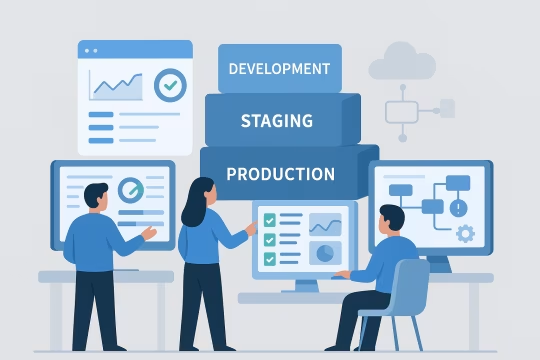
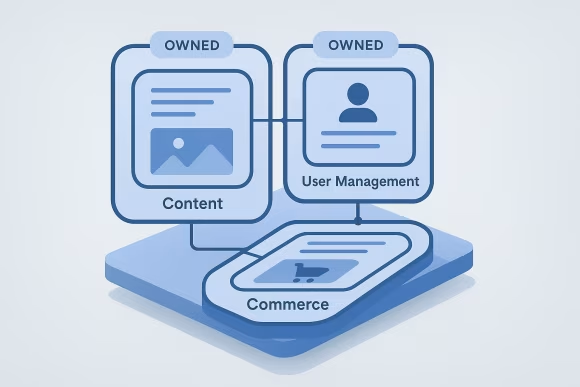
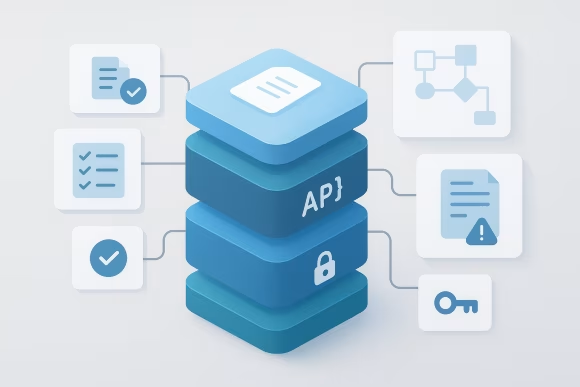
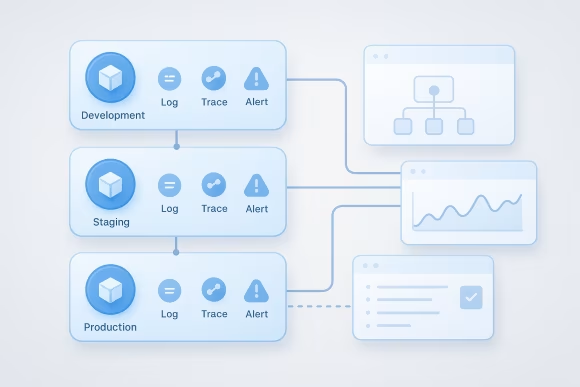
A well-defined strategy provides a platform-level view: domain boundaries, integration patterns, security and identity assumptions, environments, and delivery sequencing. It enables teams to implement headless capabilities incrementally while maintaining architectural coherence, predictable operations, and a roadmap that supports future channels and platform evolution.

 [01]
[01]