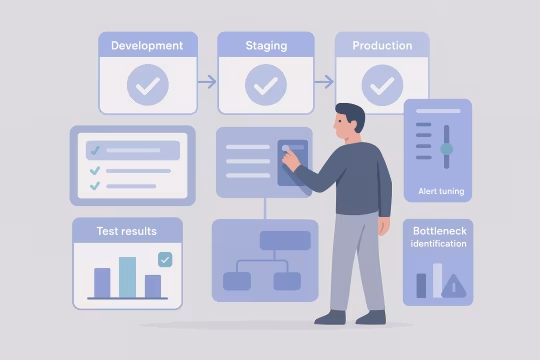
Decoupled Releases Increase Operational Risk
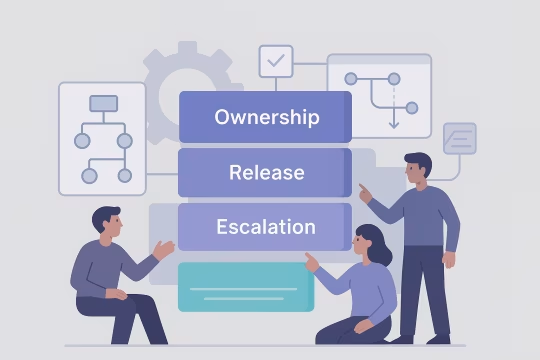
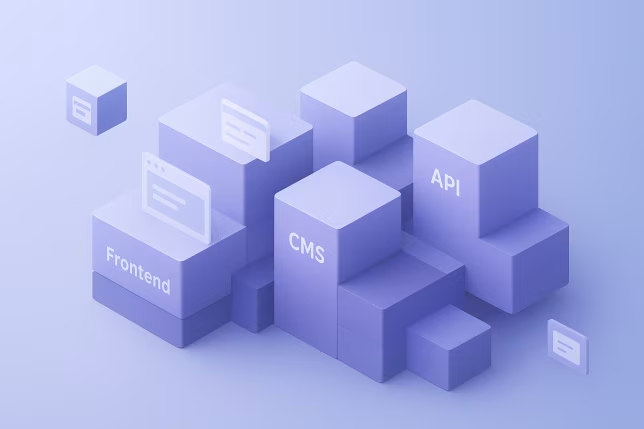
As organizations adopt headless architectures, delivery expands from a single application to a set of independently deployed components: frontend applications, CMS instances, API gateways, integration services, and third-party platforms. Teams often scale this ecosystem quickly, but operational practices remain optimized for monolithic releases. The result is inconsistent environments, manual deployment steps, and unclear ownership boundaries between product and platform teams.
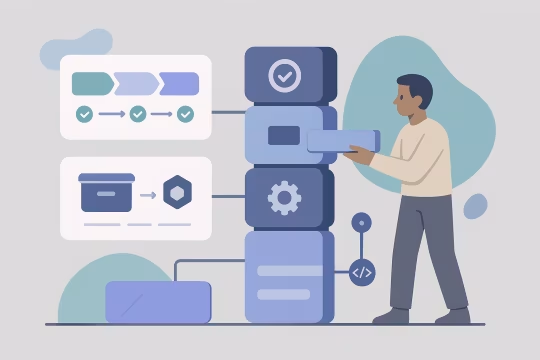
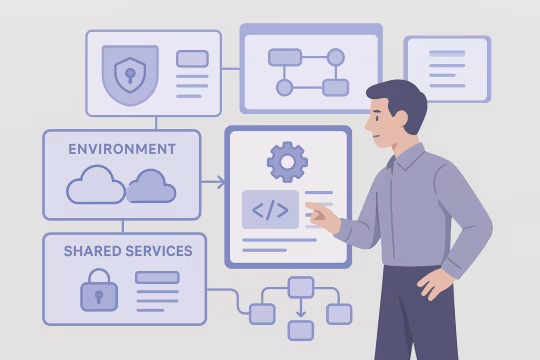
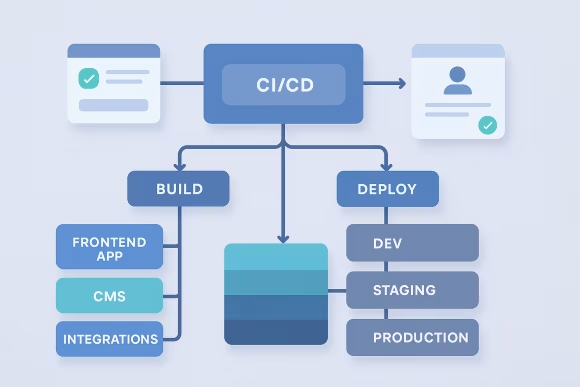
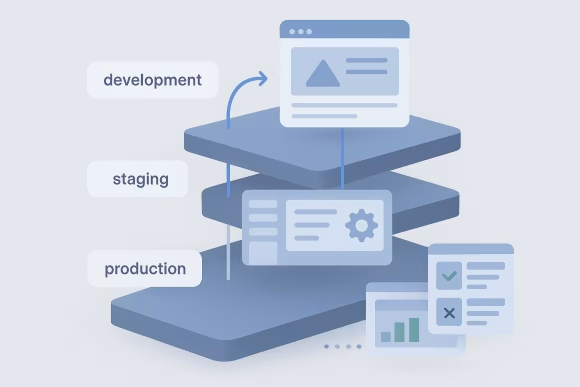
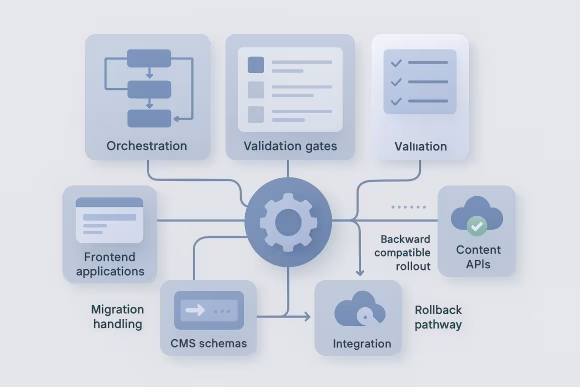
Without standardized pipelines and infrastructure automation, each service accumulates bespoke build logic, secrets handling, and deployment conventions. Environment drift becomes common across development, staging, and production, making defects hard to reproduce and increasing the cost of testing. Release coordination turns into a dependency management problem: a frontend change may require CMS schema updates, integration changes, and cache invalidation, but the system lacks reliable orchestration and traceability.
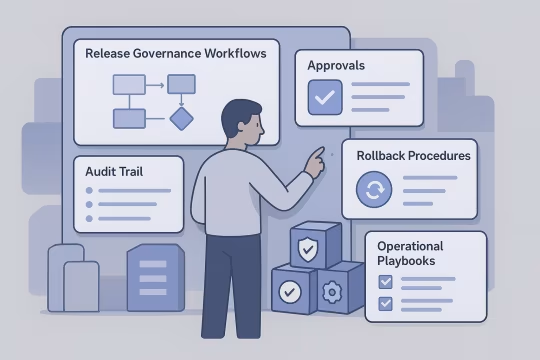
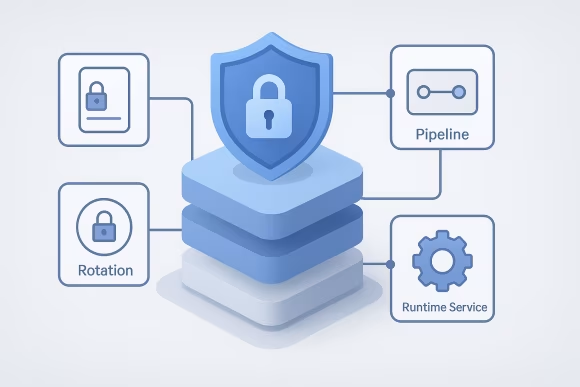
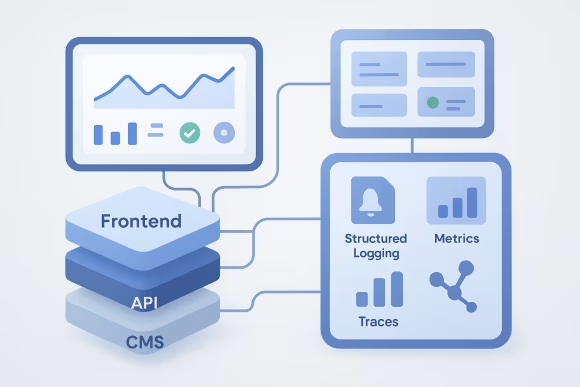
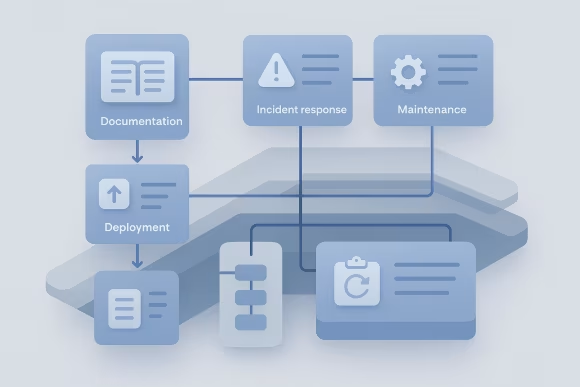
Operationally, this leads to longer lead times, higher change failure rates, and fragile rollback procedures. Incident response is slowed by incomplete telemetry and missing runbooks, while security posture degrades when secrets and access policies are managed inconsistently. Over time, platform evolution is constrained by operational risk rather than engineering capability.


 [01]
[01]