Monolithic CMS Constraints Block Platform Evolution
As legacy CMS platforms grow, they accumulate tightly coupled templates, custom modules, and integration logic embedded directly in the runtime. Upgrades become large projects, content changes require engineering involvement, and new channels (apps, kiosks, partner portals) force duplication or brittle workarounds. Teams often end up maintaining multiple delivery paths for the same content, with inconsistent behavior and unclear ownership.
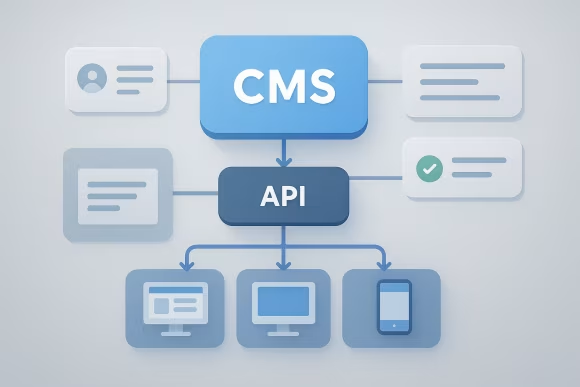
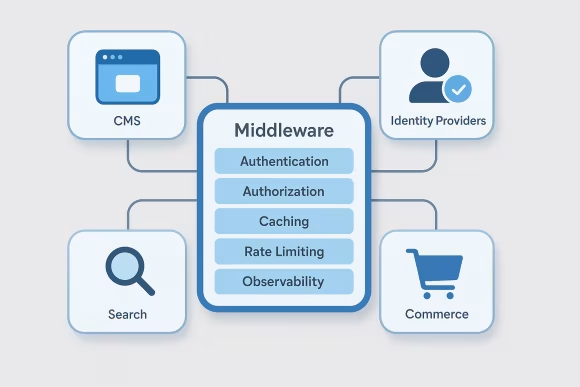
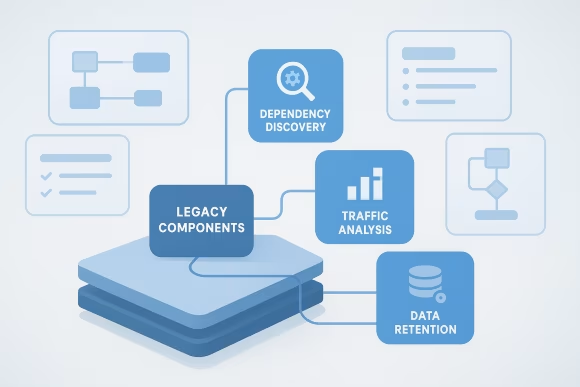
Architecturally, the system becomes difficult to change safely. Integration points are undocumented or implemented as point-to-point connections, making it hard to introduce an API layer, a new frontend, or a modern search and personalization stack. Content models are frequently shaped by legacy page rendering rather than domain needs, which limits reuse and creates downstream transformation complexity.
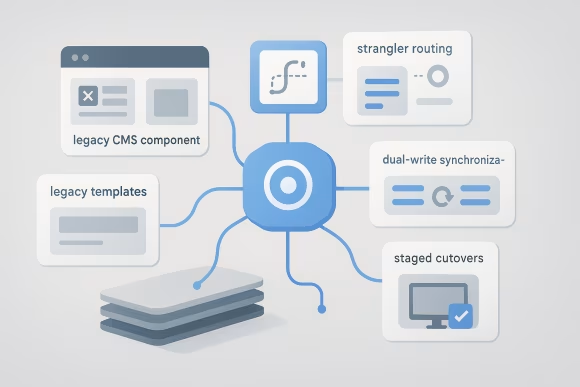
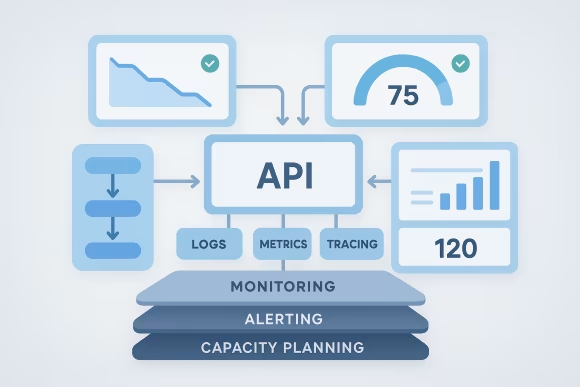
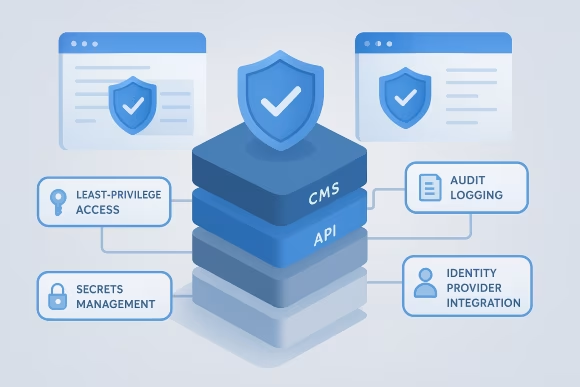
Operationally, release cycles slow down due to coupled deployments and fragile regression surfaces. Security patching and infrastructure changes carry higher risk because business logic, presentation, and integrations are deployed together. Over time, the platform becomes expensive to run, hard to test, and difficult to evolve without disruptive rewrites or extended parallel-run periods.


 [01]
[01]